




The best SEO tools in 2026 are Ahrefs for research and backlinks, Google Search Console for first-party data, Screaming Frog for crawling, and a small set of specialists around them for content, rank tracking and AI search. That is my short answer after seven years of doing SEO for SaaS and ecommerce brands, and it is also roughly what my own stack looks like on a Monday morning. Below are the twelve tools I would actually pay for or keep open in a tab, with current prices, what each one is good at, where each one annoys me, and three stacks for three different budgets.
One thing changed this year that matters more than any feature launch. Almost every serious SEO platform now ships an MCP server, which means you can ask Claude or ChatGPT a question and have it pull live data from Ahrefs, crawl a site with Screaming Frog or read your Senuto visibility report. The tools are starting to talk to each other, and that changes how I would build a stack from scratch.
What Is an SEO Tool?
An SEO tool is software that collects or interprets data about how a website performs in search, so you can decide what to fix, what to write and where to get links.
Some tools collect data about your own site: Search Console reports what Google sees, crawlers like Screaming Frog report what a bot finds when it walks through your pages. Others estimate data about everyone else, which is what Ahrefs, Semrush and SE Ranking sell. Their keyword volumes and traffic numbers are models, not measurements, and treating them as exact is the most common mistake I see in client reports.
A third group appeared in the last two years: tools that track how often a brand shows up in AI answers. Peec AI, Ahrefs Brand Radar and the AI visibility toolkits inside Semrush and SE Ranking all do a version of this. The category is young and the numbers move a lot week to week, but it is the only way to see a channel that does not show up in Search Console.
How I Chose These Tools
I only included tools I have used on real projects or that I would hand to a client without hesitation, and I weighted three things: how good the data is, how much time the tool saves per week, and what it costs relative to that time.
Every price below was checked on the vendor’s own pricing page on 14 October 2026. Where a vendor hides prices behind JavaScript or a sales call, I say so. Ratings come from G2. None of the links in this article are affiliate links, so nothing here is ranked by commission. I also left out tools that are good but redundant: if two tools do the same job, you will find the one I would pick, not both.
According to Search Engine Journal’s State of SEO 2026 survey of 371 practitioners, analytics and reporting tools are the most used category at 56%, ahead of all-in-one platforms at 51.2%. That matches my experience. The tool you open most is rarely the one you pay the most for.
12 Best SEO Tools in 2026
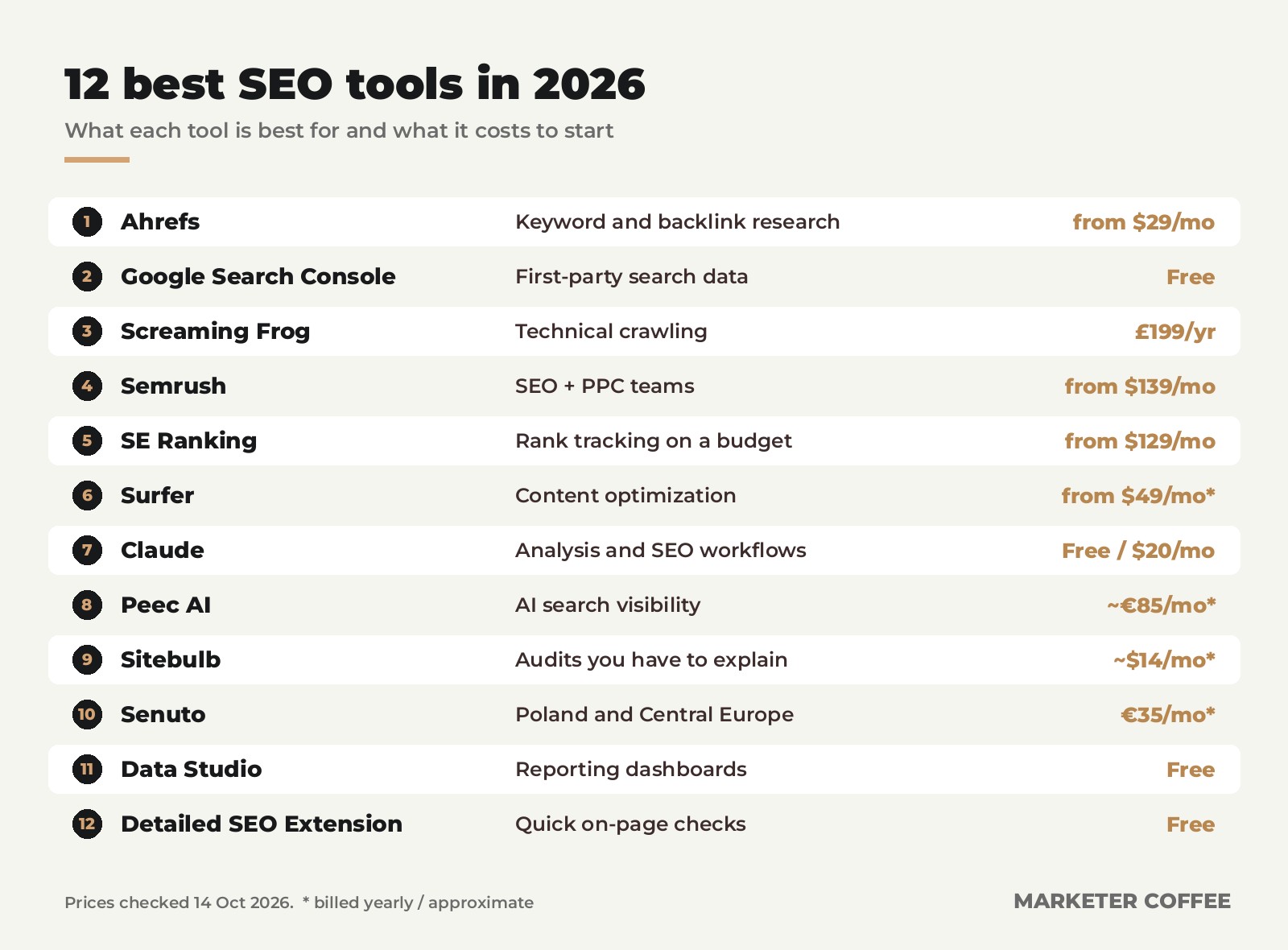
The twelve tools are ranked by how much of my week each one covers, not by price or popularity.
| Tool | Best for | Starting price | Free option |
|---|---|---|---|
| Ahrefs | Keyword and backlink research | $29/mo (Starter) | Ahrefs Free (limited) |
| Google Search Console | First-party search data | Free | Yes |
| Screaming Frog | Technical crawling | £199/yr | Up to 500 URLs |
| Semrush | SEO plus PPC and content teams | $139/mo | Free plan, 7-day trial |
| SE Ranking | Rank tracking on a budget | $129/mo | 14-day trial |
| Surfer | Content optimization | $49/mo, billed yearly | Free tools only |
| Claude | Analysis and SEO workflows | $20/mo (Pro) | Yes |
| Peec AI | AI search visibility | About €85/mo, billed yearly | Trial |
| Sitebulb | Audits you have to explain | Desktop Lite, about $14/mo billed yearly | 14-day trial |
| Senuto | Poland and Central Europe | €35/mo, billed yearly | 14-day trial |
| Data Studio | SEO reporting dashboards | Free | Yes |
| Detailed SEO Extension | Quick on-page checks | Free | Yes |
1. Ahrefs
Ahrefs is the tool I would keep if I could only keep one paid subscription. I use it every working day at Testportal and on client accounts, mostly for three things: finding the keywords a competitor ranks for and we do not, checking which pages earn links and why, and watching what happened to a site’s traffic after a Google update.
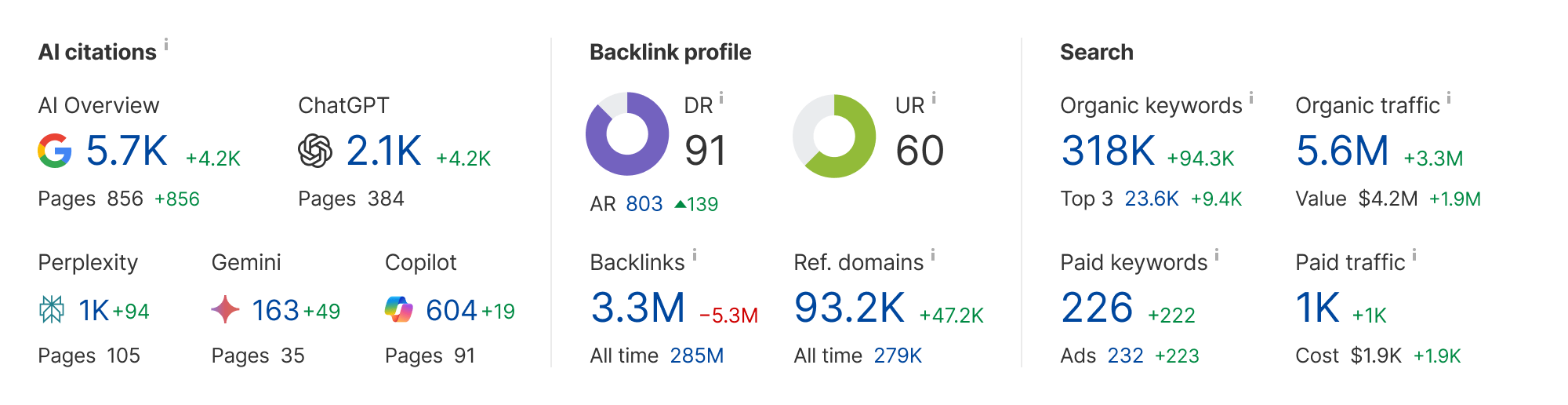
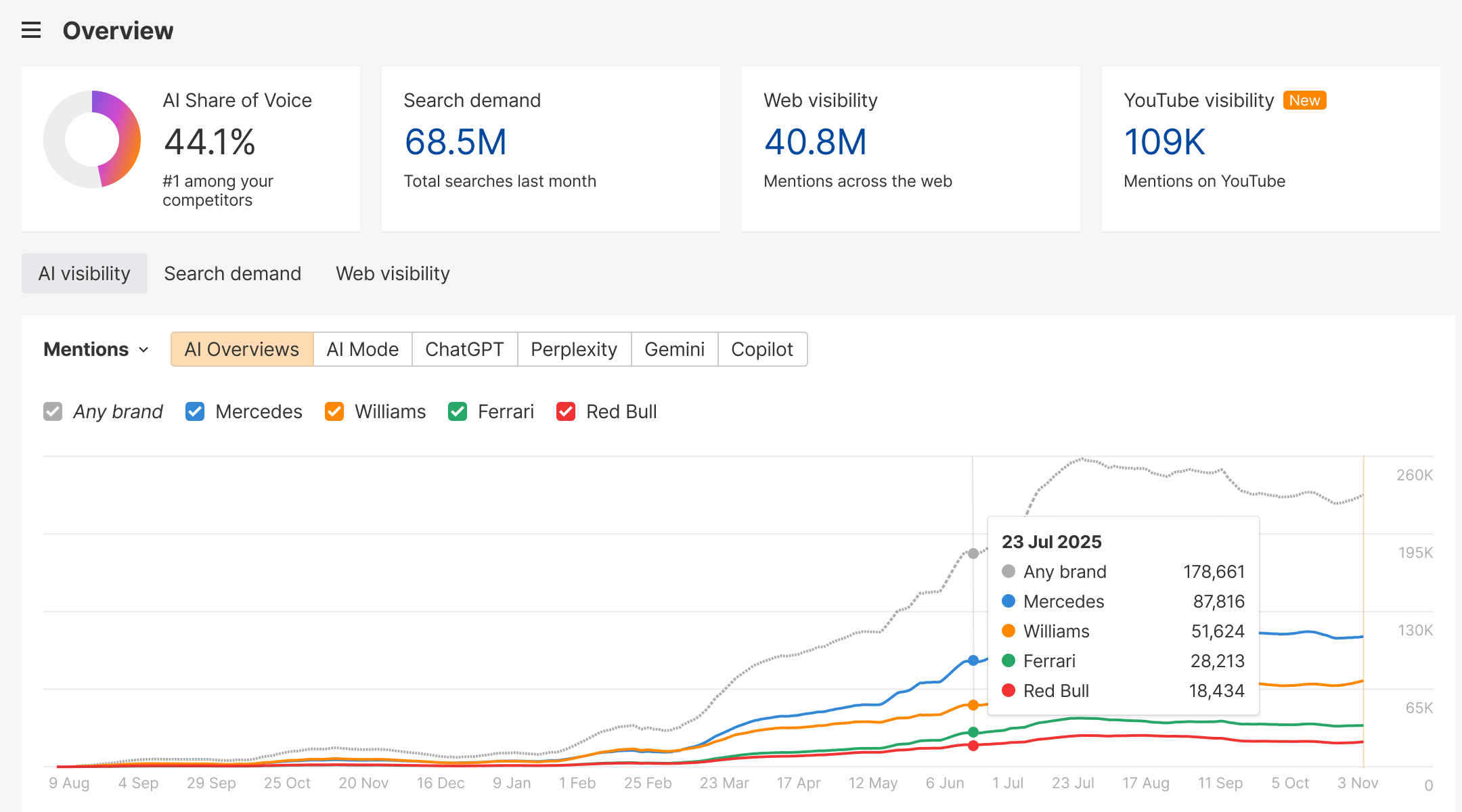
The backlink index is still the best I have worked with, and Site Explorer’s Top Pages report is the fastest way I know to understand what a competitor’s content strategy actually is, as opposed to what their blog says it is. The newer parts are worth knowing about too. Brand Radar tracks mentions in AI Overviews, AI Mode, ChatGPT, Perplexity, Gemini and Copilot, and it is what I used to set the AI visibility baseline for Planika’s SEO programme. Patches can push simple technical fixes live without a developer, and the Ahrefs MCP server lets Claude query your Ahrefs data directly.
Where it falls short is price. Lite at $129 is enough for one site, Standard at $249 is where agencies end up, and Brand Radar is a separate add-on from $199 a month. There is no free trial and Ahrefs says outright that it does not run discounts. The full plan list also includes a $29 Starter tier, which is fine for occasional checks and too limited for real work.
Pick Ahrefs if links and competitor research drive your SEO. If you mostly need rank tracking and audits, skip to SE Ranking and keep the difference.
2. Google Search Console
Search Console is the only tool on this list that reports what Google actually did, rather than what a third party estimates it did. Clicks, impressions, average position, indexing status, Core Web Vitals and rich result errors all come straight from Google, which is why every number in an SEO report should be checked against it before anyone acts on it.
Google added a few things recently that make it more useful than it used to be. There is now a branded queries filter, so you can separate people searching for you by name from people finding you for the first time. You can annotate charts, which finally lets you mark a migration or a content push where the traffic change happened. And an experimental AI-assisted setup lets you describe the report you want in plain language.
The limits have not changed. You get 16 months of history, a share of queries is hidden for privacy, and you see only your own site. I pull Search Console data through the API into spreadsheets for anything bigger than a quick check, because the interface caps exports at 1,000 rows. The method I use for tracking it over time is in Measuring SEO: How to track SEO results?
3. Screaming Frog SEO Spider
Screaming Frog crawls a site the way a search engine does and lists everything it finds: status codes, redirects, canonicals, titles, headings, hreflang, structured data, internal links. It is where every technical audit I run starts. On Galeria Zapachu, the technical quick wins that lifted traffic by 84% in 28 days started with exactly this kind of crawl.
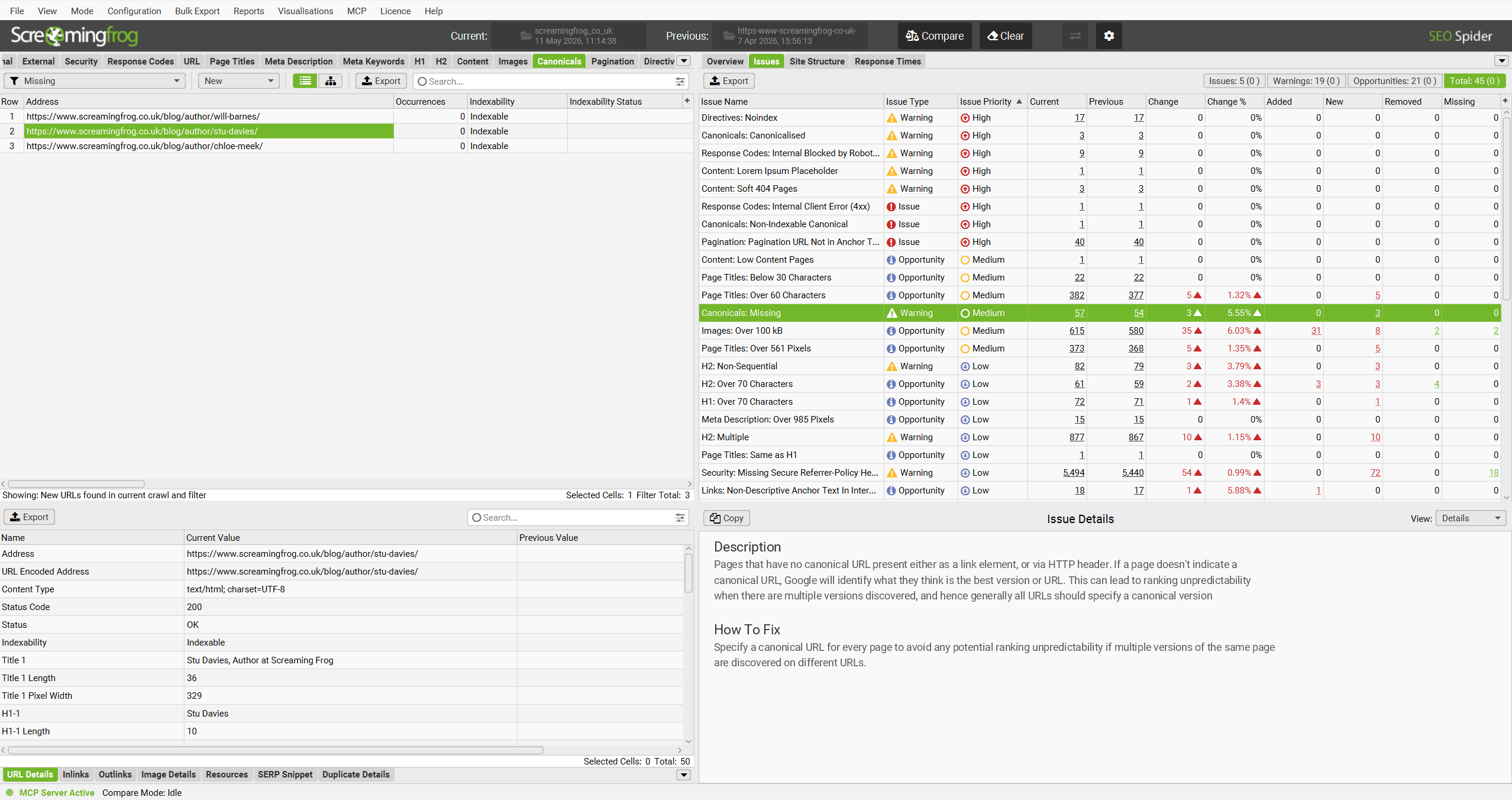
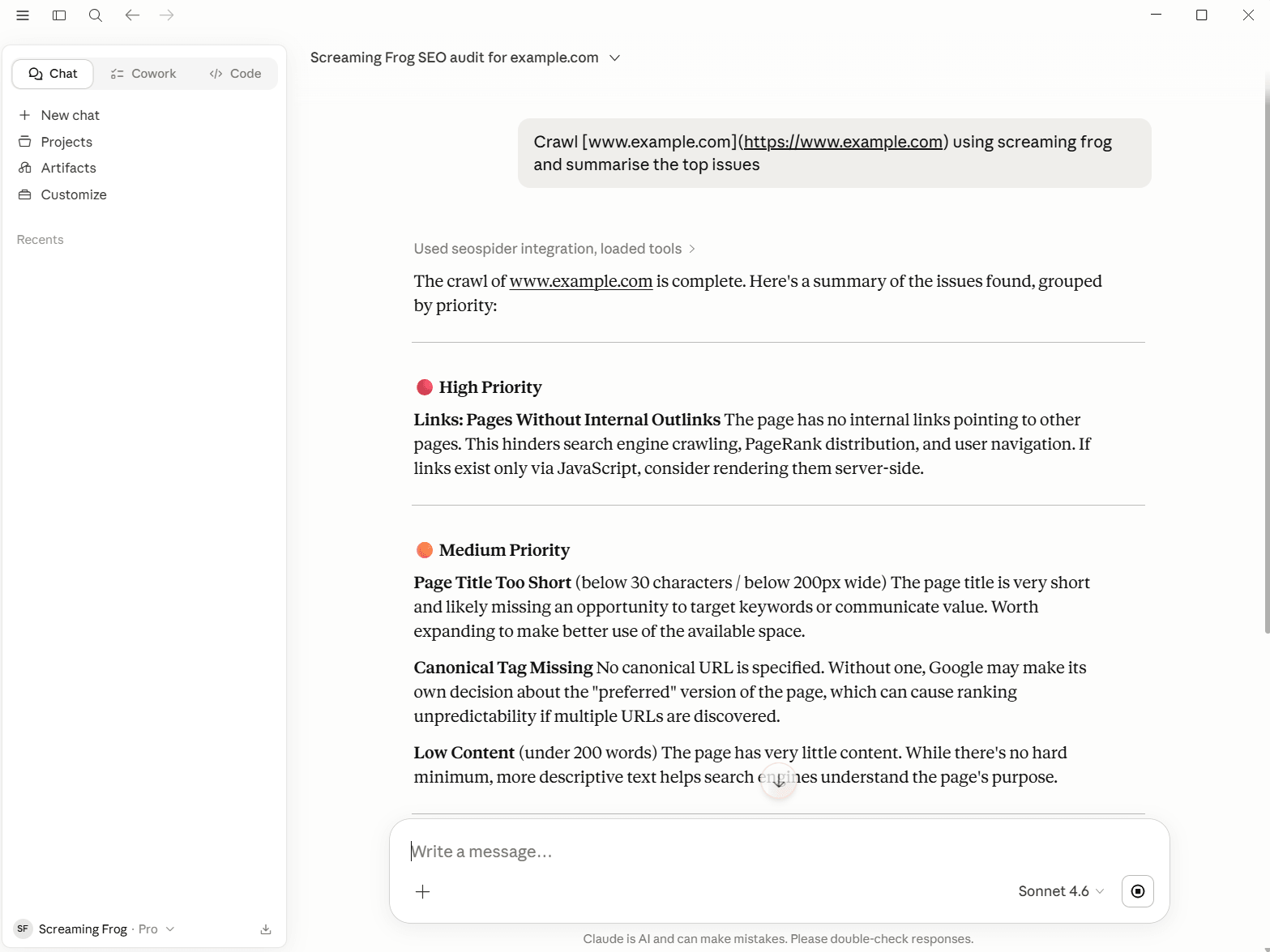
Version 24, released in May 2026, added an MCP server. In practice that means you can ask Claude to crawl a site, then ask it which templates produce duplicate titles, without exporting a single CSV. It also compares crawls automatically and emails you when something changes, and it can run your own AI prompts against every page during a crawl, for example to tag each URL with its search intent.
The interface looks like it was designed in 2010, because it mostly was, and large crawls need a lot of memory. Neither has ever stopped me renewing. At £199 a year it is the best value in SEO software.
4. Semrush
Semrush covers roughly the same research ground as Ahrefs and adds more around it: PPC research, content planning, local listings and, since this year, a full AI visibility toolkit with prompt tracking, share of voice and sentiment. Adobe completed its acquisition of Semrush in April 2026, so expect tighter links with Adobe’s marketing products from here on.
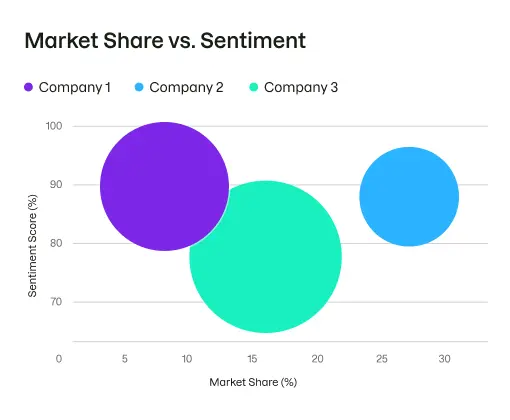
The way I explain the choice to clients is simple. If your marketing team runs paid search and wants one login for everything, Semrush. If one person does SEO and lives in backlink and competitor data, Ahrefs. Both have keyword databases that are good enough that the database should not be the deciding factor.
The pricing starts at $139 a month for the SEO toolkit, $199 for the Starter bundle with AI search, and $299 for Pro+, with up to 17% off yearly. Extra users cost $45 a month each, and that is where team bills grow faster than expected.
5. SE Ranking
SE Ranking does most of what Ahrefs and Semrush do for less money, and it does rank tracking better than either. Daily positions, local tracking, AI Overview tracking and white-label reports come in a package that a small agency can afford across many client projects.
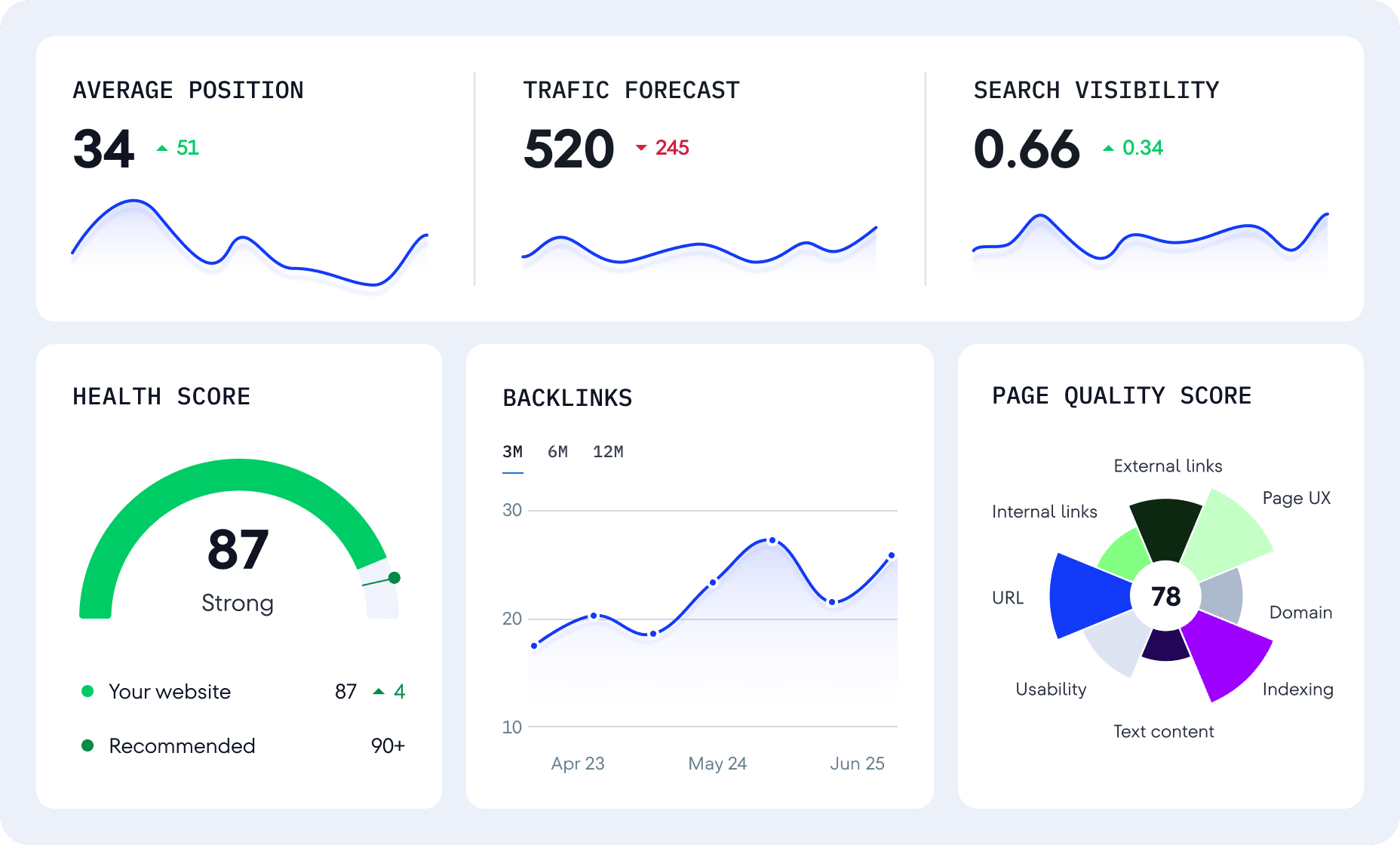
The backlink and keyword databases are smaller than the big two, which you notice in competitive niches and rarely notice anywhere else. AI search tracking is an add-on at $89 a month. If you want one tool to report positions to fifteen clients, SE Ranking is the one I would choose. Plans and limits are listed openly, which I appreciate.
6. Surfer
Surfer compares your draft with the pages that already rank and tells you which topics, terms and questions you are missing. It is most useful for writers who are not SEO specialists, because it turns a vague brief into something measurable while they write.
I treat its content score as a checklist rather than a target. Chasing 100 produces text stuffed with the same phrases the top ten use, which is the opposite of what topical authority needs. Used sensibly, it catches gaps a tired editor would miss. Recent additions include AI visibility tracking, a topical map in beta and a WordPress plugin with the full editor inside the CMS.
Surfer has no backlink data and no full keyword database, so it sits next to Ahrefs or Semrush, never instead of them. The plan ladder is complicated, and the cheapest tier has no AI tracking.
7. Claude
Claude is not an SEO tool in the sense that it has no search data of its own. I include it because it has become the place where my other tools meet. Connected to Ahrefs, Screaming Frog, Search Console or Senuto through MCP, it answers questions that used to take an afternoon of exports and pivot tables.
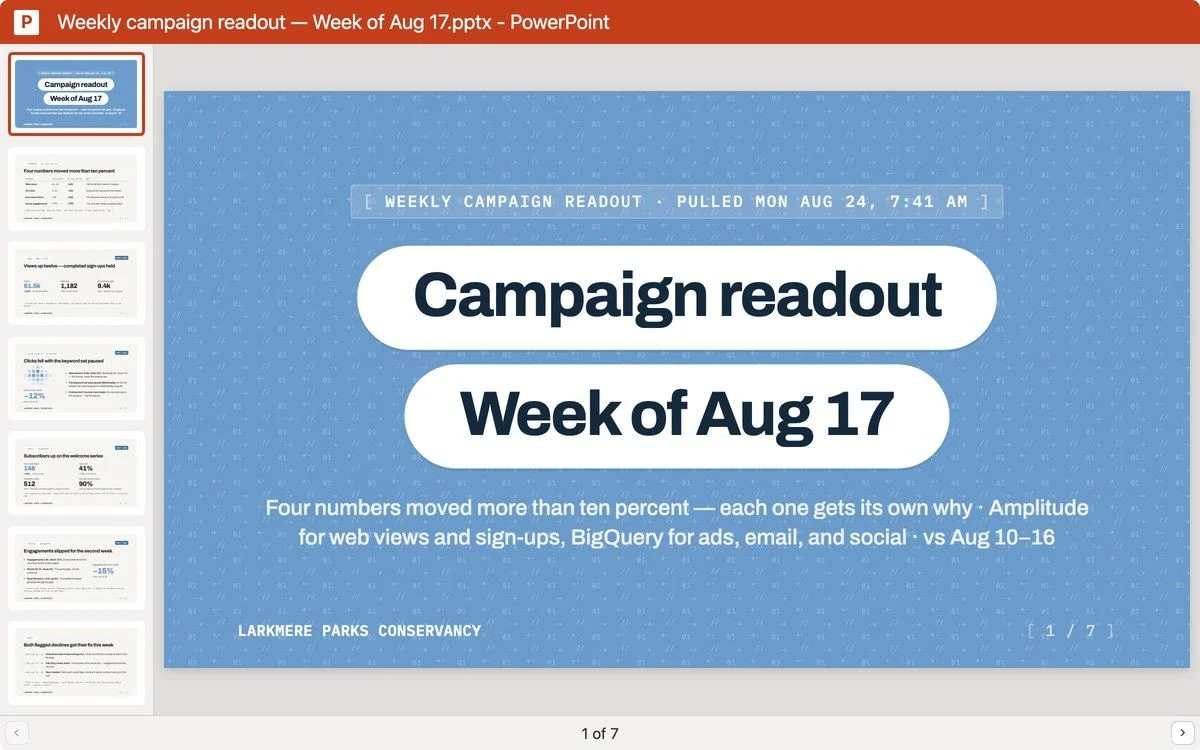
Two things I actually run on it. A Google Apps Script that calls the Claude API and writes meta titles and descriptions for hundreds of URLs in a sheet, which a person then reviews. And a five-stage content pipeline for an ecommerce store, where separate agents handle the brief, internal links, fact gathering, writing and editing. Neither replaces judgement. Both remove the parts of the job nobody enjoys.
I am not the only one. In Keyword.com’s 2026 survey of SEO practitioners, 78% named Claude among the AI tools they use, ahead of ChatGPT at 57%, though the sample was under a hundred people. Check every number it gives you that did not come from a connected data source. Pro at $20 a month is where it becomes useful for this kind of work.
8. Peec AI
Peec AI runs a set of prompts through ChatGPT, Gemini, Google’s AI Mode and other models every day and reports how often your brand appears, in what position, with what sentiment, and which sources the answers cite. That last part is the most actionable, because it tells you which pages and publications you need to be on to get mentioned.
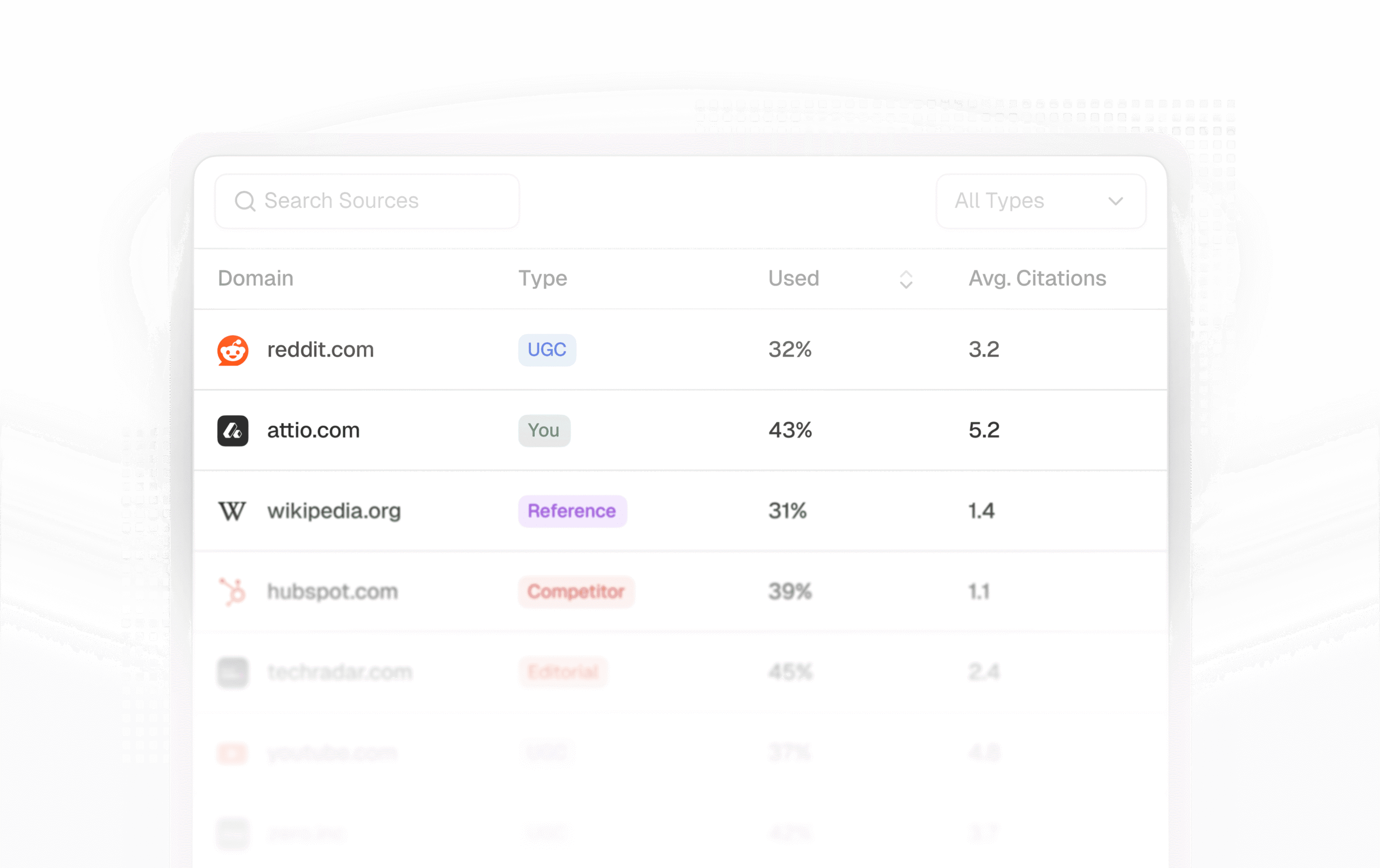
It does one job, and it does not replace classic SEO data. Prompt caps make wide tracking expensive, and extra models cost extra. The pricing page loads its numbers dynamically, so confirm the current figure there. If you already pay for Ahrefs or Semrush, try their AI visibility add-ons first and move to Peec when you need deeper source analysis.
9. Sitebulb
Sitebulb crawls like Screaming Frog but explains what it finds. Every issue comes with a priority and a plain-language note on why it matters, which makes it the better tool when the audit is going to a marketing manager or a developer rather than staying with you.
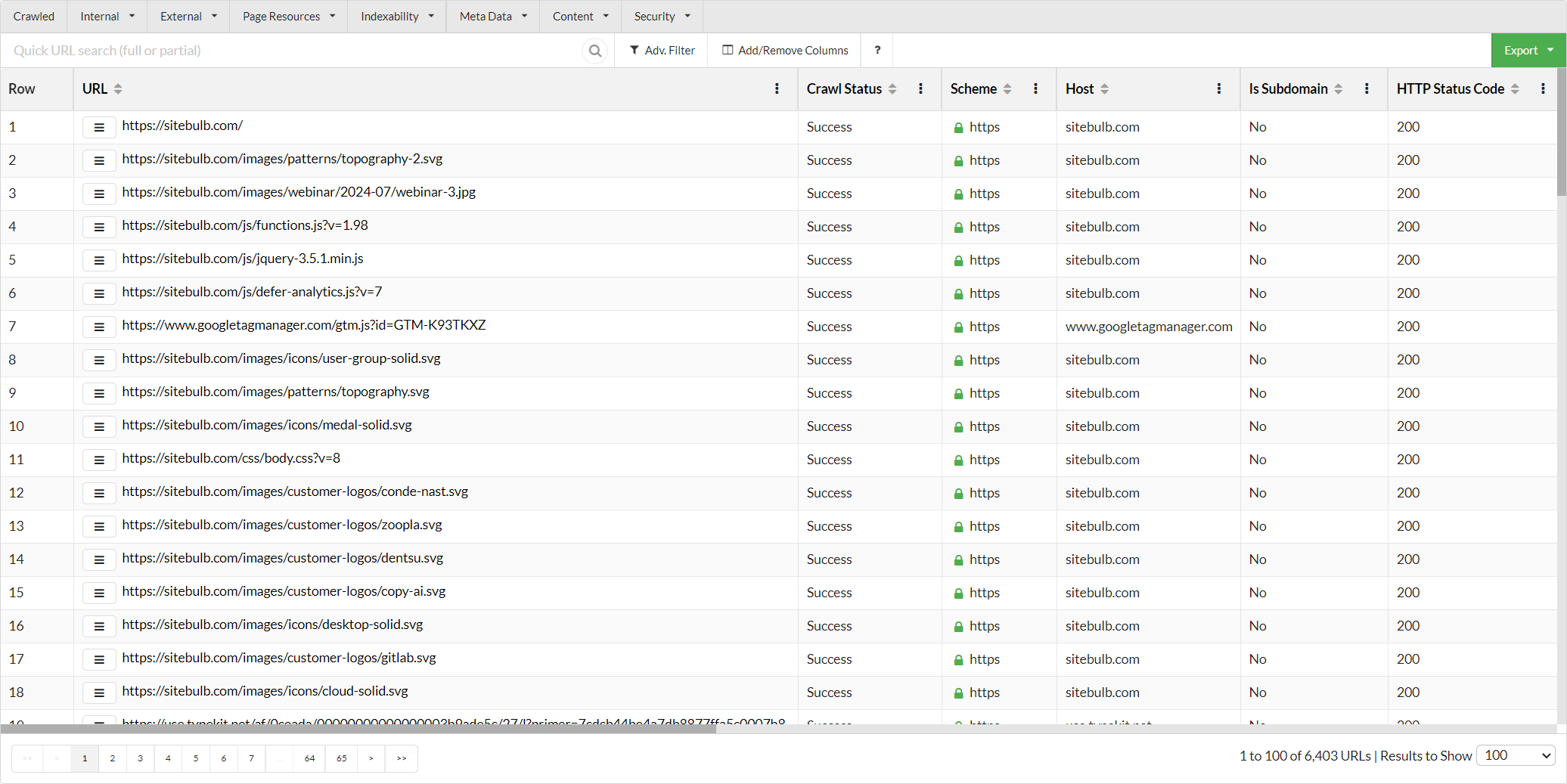
If you already know what a canonical chain is and why it matters, Screaming Frog is faster and cheaper. If you spend half your audit time writing explanations, Sitebulb gives that time back. The pricing page shows amounts only in the browser, so the figure above comes from third-party listings.
10. Senuto
Senuto is the tool most Polish SEO teams default to, and for a good reason: its Polish keyword database holds more than 18 million keywords with history going back to 2015, which is deeper local data than the global tools offer for this market. For Polish ecommerce projects, its visibility reports are the quickest way to see who actually competes in a niche.
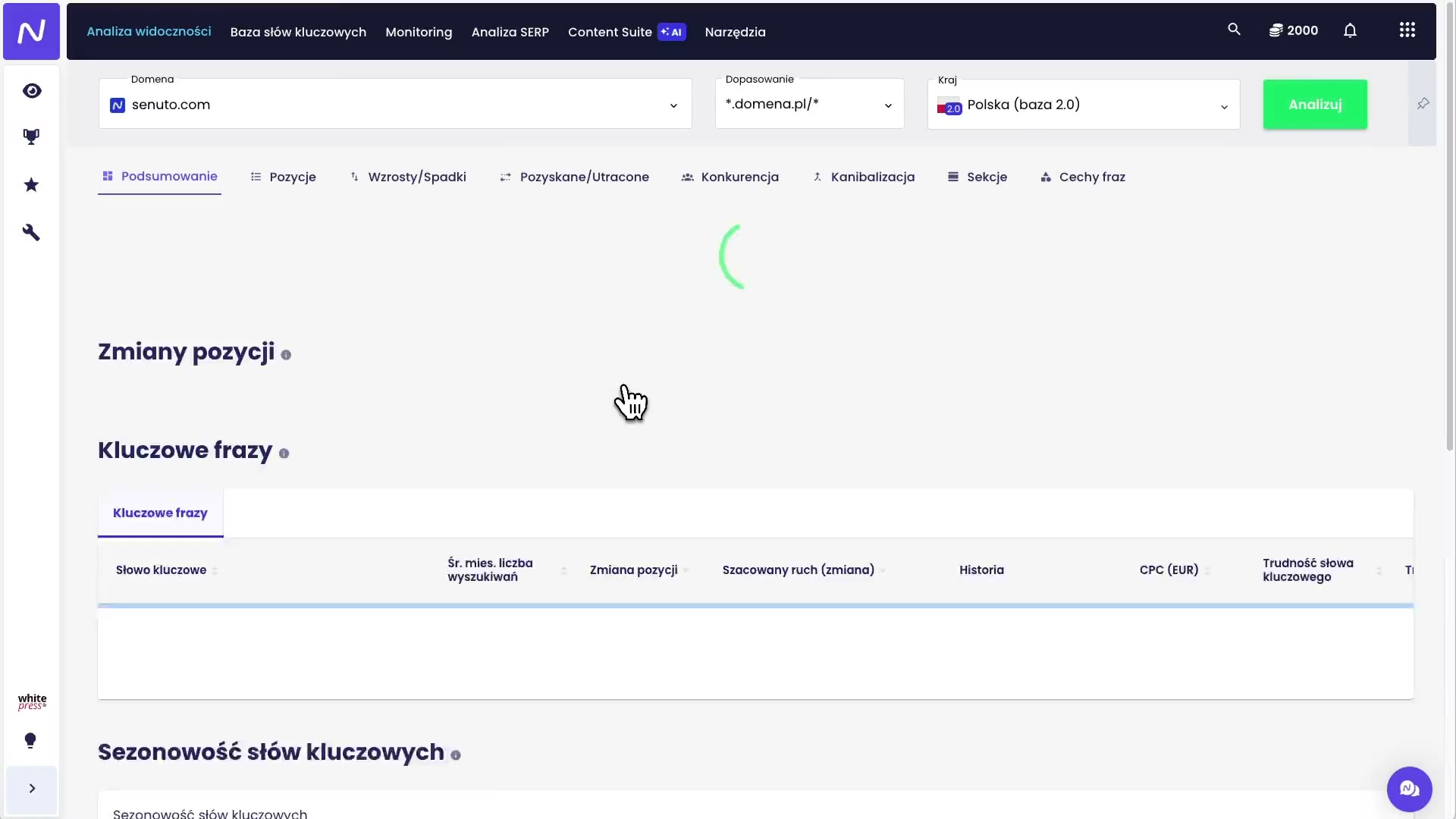
It also monitors AI Overviews, has an LLM monitor in beta and now ships an MCP server. Outside Poland and the region it is much weaker, so it belongs in the stack of anyone selling into Polish search and nowhere else. Prices are listed per year; the MCP server is included from the Advanced plan.
11. Google Data Studio
You probably know it as Looker Studio. Google renamed it back to Data Studio in April 2026, and the old address now redirects. It connects Search Console, GA4, Sheets and BigQuery into dashboards that update themselves, so nobody has to rebuild the same monthly report by hand.
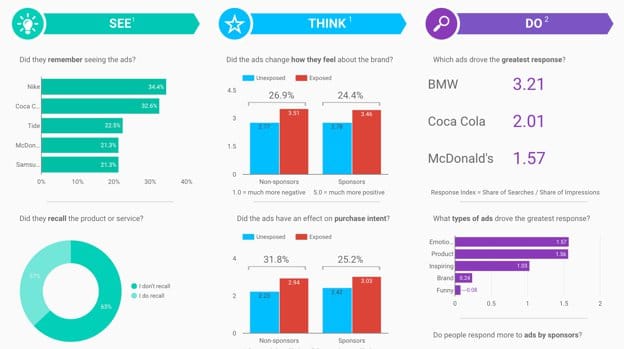
Native connectors cover Google’s own products. Anything else, Ahrefs included, needs a paid third-party connector or a sheet in between. Reports with many large sources get slow. For a client who wants to see clicks, conversions and top pages without logging into three tools, it is still the best free answer.
12. Detailed SEO Extension
A free Chrome extension that shows a page’s title, meta description, canonical, robots directives, heading structure, schema and hreflang in one click. It answers questions like “is this page actually noindexed?” in five seconds, without opening the page source.
It checks one page at a time and stores nothing, which is exactly the point. Install it from the Chrome Web Store.
Which SEO Tools Work With AI Assistants?
Eight of the twelve tools here offer an MCP server or connector that lets Claude or ChatGPT read their data: Ahrefs, Semrush, Screaming Frog, Sitebulb, SE Ranking, Surfer, Senuto and Peec AI.
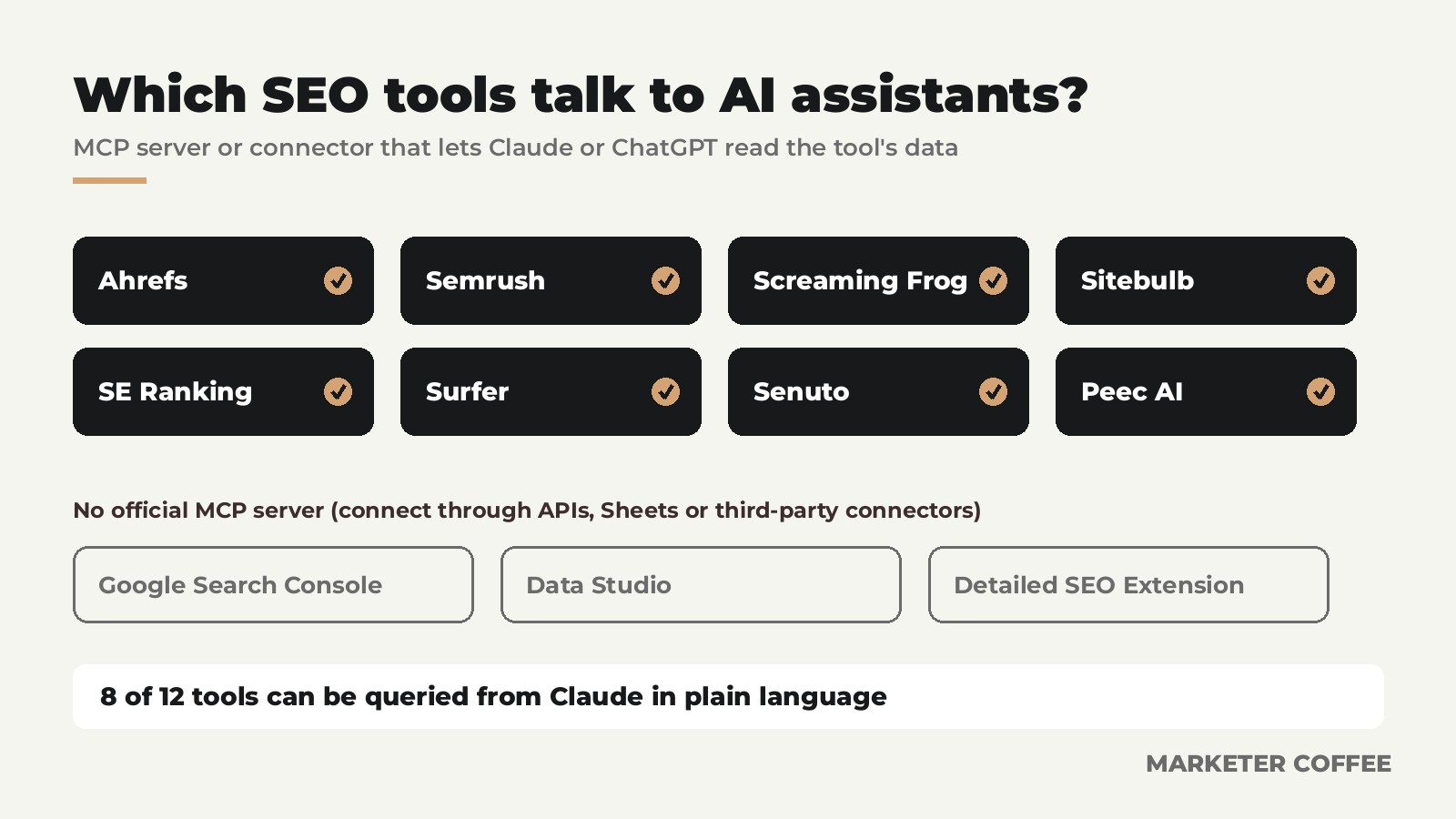
This matters more than it sounds. A year ago, combining Search Console clicks with Ahrefs backlinks and a crawl meant three exports and an hour in a spreadsheet. Now it is one question. The quality of the answer still depends on you knowing what to ask, and on checking what comes back, but the cost of asking has dropped close to zero.
What SEO Tool Stack Should You Use?
The right SEO stack depends on budget more than on skill, and you can do serious work at every level below.
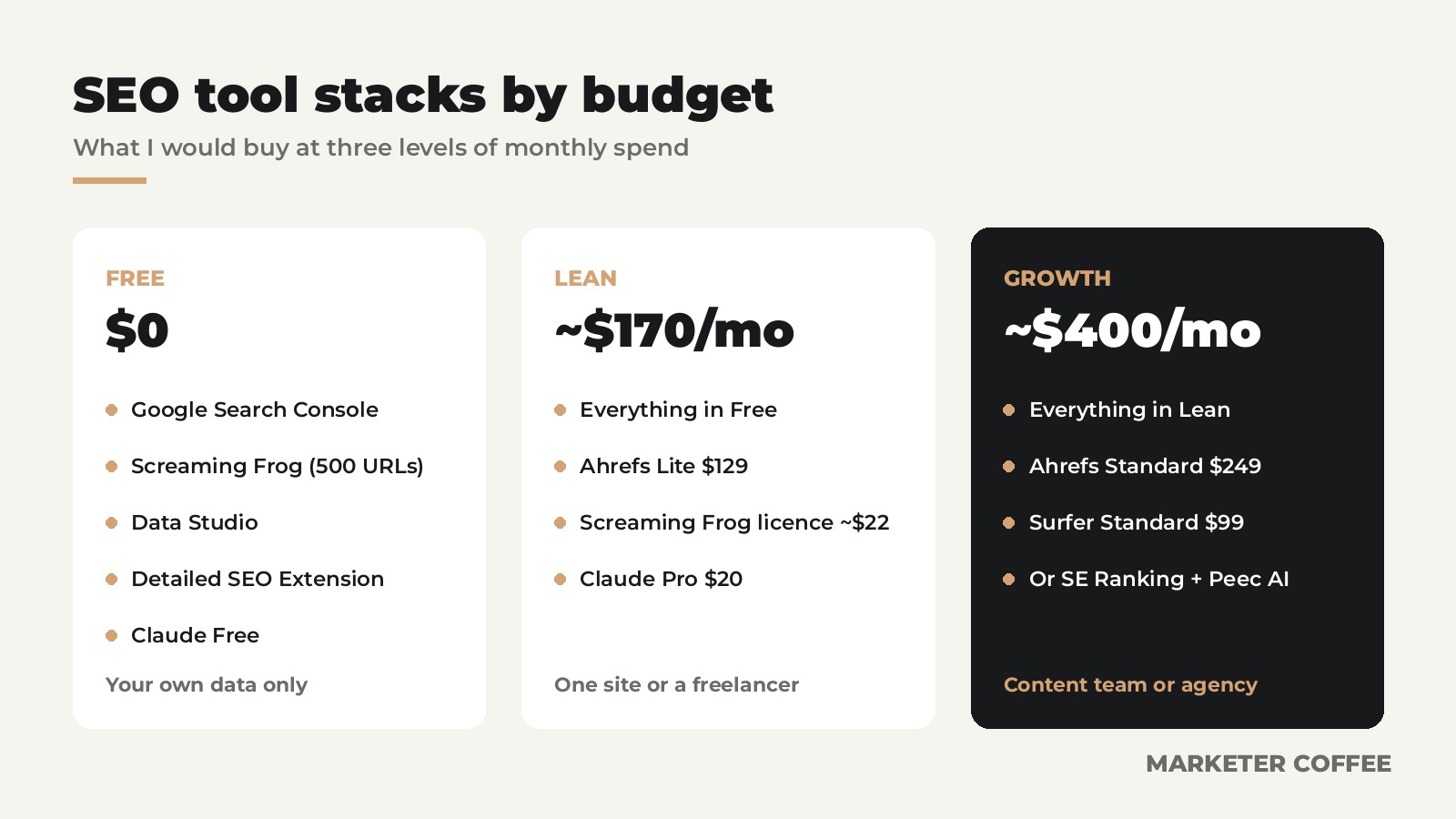
The free stack is Search Console, Screaming Frog’s free version, Data Studio, the Detailed extension and Claude’s free plan. It covers your own data, technical checks on sites up to 500 URLs and reporting. What it lacks is any view of competitors.
The lean stack, at about $170 a month, adds Ahrefs Lite, a Screaming Frog licence and Claude Pro. This is enough for one business site or a freelancer with a few clients, and it is close to what I would buy if I were starting again tomorrow.
The growth stack, at about $400 a month, moves to Ahrefs Standard and adds Surfer for the writers. Agencies tracking many clients should swap Ahrefs for SE Ranking and spend the saving on Brand Radar or Peec AI. If your market is Poland, put Senuto in before either content or AI tracking.
Tools are the smaller part of the bill. Ahrefs’ pricing survey puts the average SEO retainer at $2,917 a month, and most of that is people’s time, not software. The breakdown is in How Much Does SEO Cost in 2026?
What Is the Best Free SEO Tool?
The best free SEO tool is Google Search Console, because it is the only free source of real data on how your site performs in Google.
Pair it with Screaming Frog’s free version and you have the two halves of most technical SEO work: what Google reports and what a crawler finds. Ahrefs Free and Semrush’s free plan add a limited look at keywords and backlinks, enough to learn the tools and not enough to run a project on.
Is Ahrefs or Semrush Better?
Ahrefs is better for backlink analysis and competitor research, and Semrush is better for teams that run SEO, PPC and content in one place.
Their keyword data is close enough that I would not choose on it. Ahrefs has the cleaner interface and the stronger link index. Semrush has more tools around the core, a free plan, a trial and, now, Adobe behind it. If you cannot decide, take Semrush’s seven-day trial and Ahrefs’ $29 Starter for one month and run the same competitor analysis in both. The process I use is in Competitor Analysis in SEO in 7 Steps.
Do You Need Paid SEO Tools?
You do not need paid SEO tools to rank one site in a quiet niche, but you need them to compete where others are already investing in SEO.
Free tools tell you about yourself. Paid tools tell you about everyone else: which keywords competitors win, which links they earn, how their traffic moves. Once the question becomes why a competitor ranks above you, there is no free way to answer it well.
FAQ: SEO Tools
Short answers to the questions people ask me most when choosing SEO software.
What is the best SEO tool overall?
Ahrefs is the best overall SEO tool for most professionals, thanks to its backlink index, competitor research and new AI visibility tracking. Semrush is the closest alternative and the better fit for teams that also run paid search.
What is the best SEO tool for beginners?
Google Search Console is the best place for a beginner to start, because it is free and shows real data about a site you control. Add the Detailed SEO Extension to learn on-page elements, then try Ahrefs Starter at $29 a month when you need competitor data.
What is the cheapest paid SEO tool worth buying?
Screaming Frog at £199 per year is the best value paid SEO tool. For research rather than crawling, Ahrefs Starter at $29 a month and Senuto Lite at €35 a month, billed yearly, are the cheapest useful options.
Which SEO tools track AI search?
Peec AI, Ahrefs Brand Radar, Semrush’s AI Visibility Toolkit, SE Ranking’s AI Search add-on, Surfer and Senuto’s LLM Monitor all track brand mentions in AI answers. Peec AI focuses only on this and goes deepest into cited sources.
Can ChatGPT or Claude replace SEO tools?
No. AI assistants have no search volume, ranking or backlink data of their own. Connected to SEO tools through MCP, they become a fast way to analyse that data, but the data still has to come from the tools.
Get SEO Done With Marketer Coffee
Most tools on this list come up in our client work every week, and a good part of what clients pay an agency for is knowing which numbers in them to trust. We are Marketer Coffee, a Poland-based SEO agency working with SaaS and ecommerce brands across the US, UK and Europe, at rates 40% to 60% below comparable US and UK agencies. Every engagement starts with a free preliminary audit and a 90-day plan.
See scope and pricing in International SEO Services, SaaS SEO Services or Ecommerce SEO Services. The Landingi case study shows what this stack produced over 29 months: 375% organic growth across eight language versions.
Written by Adrian Dąbrowiecki, founder of Marketer Coffee and SEO consultant with 7+ years in SaaS and ecommerce, specializing in topical authority and semantic SEO. Prices checked on each vendor’s pricing page on 14 October 2026; Sitebulb and Peec AI figures come from third-party listings because their pages do not display prices. Ratings: G2 and Chrome Web Store. Statistics: Search Engine Journal, State of SEO 2026; Keyword.com, State of AI and Automation in SEO; Adobe; Data Studio release notes; Ahrefs SEO pricing survey. Screenshots belong to their respective vendors. No affiliate links.
Pingback: 10 Best Marketing Analytics Tools in 2026 (Free and Paid)